


Super Stylist Fashion Makeover
CrazyLabs LTD
I went into Super Stylist Fashion Makeover expecting a light dress-up game, but I found something more structured than simply choosing a pretty outfit. The main appeal is the feeling of preparing a client for a fashion moment: clothing, accessories, hair, and makeup all have to work together. That makes each makeover feel like a small styling puzzle rather than a single tap on a favorite dress.
It is a free role-playing game from CrazyLabs LTD, aimed at players who enjoy visual customization and short, goal-focused sessions. The game is rated Teen, so it is better suited to older children and adults than to very young players. I also found it easy to understand without needing experience with fashion games, which makes it approachable even if you normally prefer casual games.
The important question is not whether it looks attractive in screenshots. Many dress-up games do. The better question is whether you want a guided makeover experience, a more open creative sandbox, or a deeper role-playing game. My view is that this title works best for players who enjoy making complete looks under a clear objective and then moving on to the next styling challenge.
Related News
Hero Wars: Alliance – Unleash Strategy and Magic

Why Super Stylist Fashion Makeover Is a Must-Play for Fashion Lovers
What to consider before choosing a fashion makeover game
When I decide whether a game in this category is worth keeping, I look at four things: how much control the styling gives me, whether the objectives make choices meaningful, how comfortable the session length feels, and how much the free experience depends on optional spending. Super Stylist Fashion Makeover performs well on the first three, but the fourth deserves attention.
The styling process is satisfying because an outfit is not treated as one isolated item. I can think about the relationship between the main clothing choice, the makeup, the hairstyle, and the finishing accessories. A dramatic outfit can need a restrained beauty look, while a simpler outfit may benefit from bolder details. That balancing act gives the game more personality than a basic catalogue where every item looks equally suitable.
Related News

Why WhatsApp Messenger Still Makes Everyday Communication Feel Easy

Jurassic World: The Game Is the Better Dino Tycoon for Strategic Players

Threads in Real Life: Who Should Join, Lurk, or Leave

How SHEIN Turned Shopping Into an Endless Content Feed

How to Make Fortnite Feel Smarter on Mobile

Should You Switch to Microsoft Outlook on Mobile?
I also like that the game gives me a reason to make decisions instead of leaving me in an empty wardrobe. A completely open dressing room can be relaxing, but it can also become repetitive when there is no target. Here, the makeover context provides direction. I am usually asking myself what would best match the occasion, rather than randomly trying every item.
That structure is especially useful when I only have a few minutes. I can start a makeover, make a series of visual choices, and finish with a result that feels complete. It is not the kind of game I would choose for a long story session or strategic planning, but it suits quick breaks, waiting rooms, and relaxed evening play.
How the styling decisions actually feel
The most useful habit I developed was to choose the overall mood before selecting individual pieces. If I begin with a strong dress and then add unrelated details one by one, the final look can feel crowded. When I decide first whether I want something elegant, playful, bold, or understated, the later choices become faster and more coherent.
Gallery
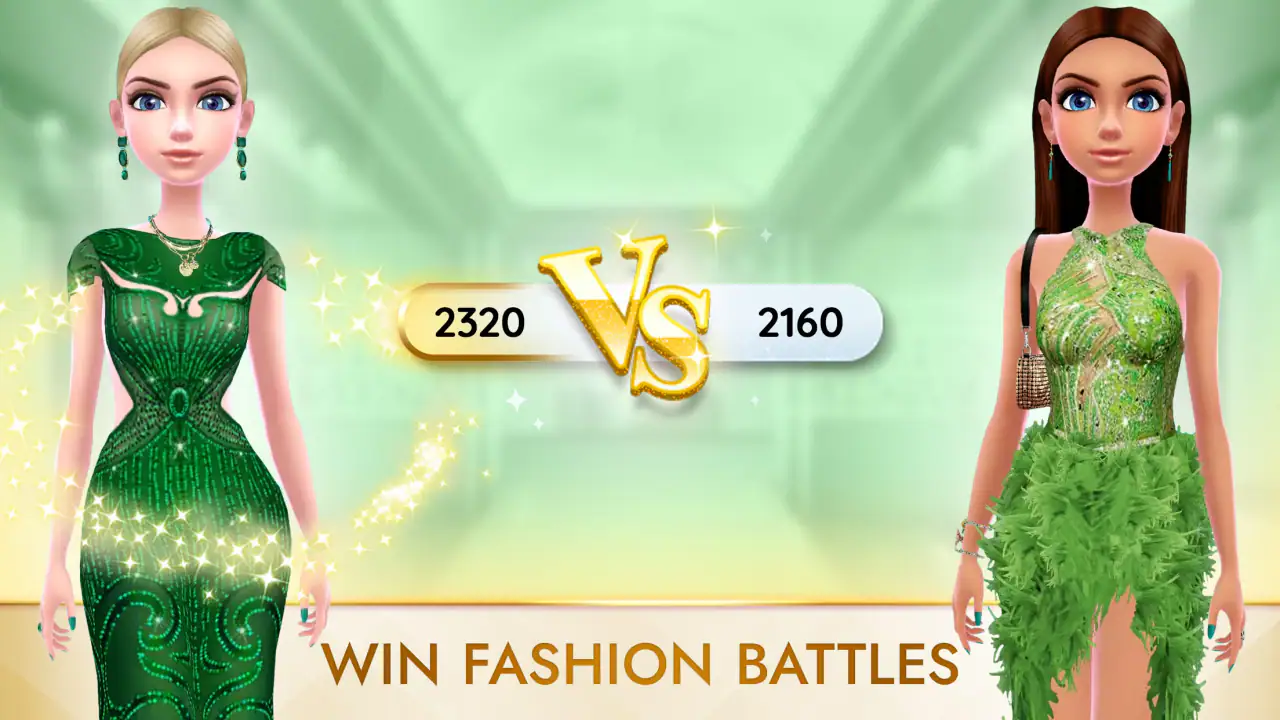
This is a small but important difference from simply tapping the most eye-catching item. The brightest piece is not always the best piece for the complete look. I often got better results by treating accessories as punctuation: one strong detail can finish an outfit, while several competing details can make it feel unfinished despite having more decoration.
Makeup deserves the same attention. It is tempting to regard it as a separate mini-step, but I found it more useful to treat it as part of the outfit’s color and attitude. A look that already has a lot happening in the clothing generally benefits from a cleaner beauty choice. That approach also makes the process feel more like styling and less like collecting attractive objects.
Another practical tip is to pause before confirming a choice. The first item that catches my eye is often not the one that works best beside the hairstyle or accessories already selected. Taking a moment to compare the full appearance saves time later and makes the final result feel intentional.
Why the role-playing layer matters
Although the game is built around fashion, its role-playing category is relevant because I am not merely arranging a mannequin for my own amusement. The presentation suggests a service-oriented fantasy: I am taking responsibility for someone’s appearance and trying to meet the expectation of the moment. That context gives the wardrobe choices a little more pressure and purpose.
I would not describe it as a traditional role-playing game with complex character development or tactical combat. Players looking for deep dialogue systems, exploration, or party management should not install it expecting those things. Its role-playing quality comes from inhabiting the stylist role and progressing through makeover-oriented tasks.
That distinction helps set expectations. If you want a fashion game with a light sense of progression and clear assignments, this is a good match. If you want a conventional role-playing adventure, the category label alone should not influence your decision.
Where Super Stylist Fashion Makeover stands out
The strongest part of my experience was the way the game turns visual taste into a sequence of manageable decisions. I was rarely overwhelmed by the whole wardrobe because I could focus on one element at a time. The process encourages comparison, and that makes even familiar dress-up mechanics feel more deliberate.
The game also benefits from its immediate readability. I do not need to study complicated menus before I can start styling. The visual feedback is central, so I can quickly see whether a new item improves the look or pulls it in another direction. That makes it friendly to casual players and to anyone who prefers learning through experimentation rather than instructions.
Its large audience reflects that accessibility. The game has passed 100 million installs and holds a 4.4 average rating from roughly 1.1 million ratings. Those figures do not guarantee that every player will enjoy it, but they do show that the basic makeover loop has broad appeal.
I think the game is particularly effective for players who enjoy visual before-and-after moments. There is a clear satisfaction in seeing an initially incomplete appearance become a finished presentation. That payoff is simple, but it is reliable, and it gives short sessions a natural ending.
Three useful ways to play beyond random outfit picking
First, I recommend using a “centerpiece” method. Pick one item that defines the look, then make every other decision support it. This prevents the common problem of choosing several impressive pieces that compete for attention. It also makes the styling process quicker when the available choices feel plentiful.
Second, try building a look around contrast rather than matching everything closely. A softer outfit can gain character from one sharper accessory, while a dramatic ensemble may look more balanced with calmer makeup. This is more interesting than selecting items that all communicate exactly the same mood.
Third, use failed combinations as information instead of immediately restarting mentally. If a hairstyle makes the outfit feel too formal or an accessory changes the intended mood, remember that relationship for the next challenge. Over time, this turns the game from trial and error into a personal styling system.
These approaches are not separate modes or complicated techniques. They are ways of getting more value from the choices already present. They also help answer a common concern: whether the game remains enjoyable after the novelty of the first makeovers fades. For me, the answer depends on whether I actively experiment or simply choose the first attractive option every time.
Who will get the most from it
I would recommend it to someone who likes fashion customization but does not want a demanding game. It is also a good fit for players who enjoy completing small visual tasks, comparing combinations, and seeing a polished result without investing a long uninterrupted session.
It may work well for a friend who likes makeover videos, character customization, or casual role-playing but is not interested in difficult controls. The emphasis is on taste and presentation, not reflexes. That makes it comfortable to play at a relaxed pace.
The Teen content rating is worth considering for families. Parents should use their own judgment about whether the styling themes and optional purchases suit a particular child. The game is free to download, but it includes in-app purchases ranging from $0.99 to $99.99 per item, so purchase controls are sensible if a younger player uses the device.
Where another type of game may fit better
Super Stylist Fashion Makeover is not the best choice for every fashion-game fan. If your priority is unrestricted creativity with no objectives, a pure dress-up sandbox may suit you better. That kind of alternative can feel more relaxing because you are designing for yourself rather than responding to a styling situation.
On the other hand, if you want a stronger story, you may prefer a narrative role-playing game where clothing is only one part of a larger character journey. This title keeps the spotlight on the makeover itself. Its focused design is a strength for casual play, but it also means the experience may feel narrow to players who need exploration, dialogue, or strategic depth.
Players who mainly want competitive fashion judging should also think about what motivates them. A game centered on direct competition may provide more pressure and social comparison, while this one is more comfortable as a personal styling activity. Neither approach is automatically better; they serve different moods.
There is also a difference between collecting and creating. If your favorite part of fashion games is unlocking an enormous wardrobe, you may judge the experience by how quickly new choices become available. I approached it differently, focusing on combinations and overall presentation. That made the existing wardrobe feel more useful, but a collection-focused player might be less patient with the repeated styling loop.
The trade-off behind a free download
The free entry point makes it easy to try without committing money first. That is a genuine advantage, especially when you are unsure whether makeover games will hold your attention. At the same time, optional purchases can affect how freely some players want to progress or experiment.
My advice is to treat the game as a free trial of its core loop before spending anything. Play enough to decide whether the actual styling decisions are enjoyable on their own. If the fun comes only from wanting the next item, the game may not be a good value for you. If you enjoy creating complete looks with what is available, optional purchases become less central to the decision.
The broad purchase range means different players can have very different experiences with spending. I would not recommend installing it for someone who is easily frustrated by cosmetic temptation or who cannot use device-level purchase restrictions. For a player who is comfortable treating purchases as optional, the free version is a reasonable way to test the game.
Another trade-off is repetition. The core pleasure comes from styling, so players who love that activity can return often. Players who need constantly changing mechanics may feel that the central loop becomes familiar. I noticed that my enjoyment was highest when I set myself a small creative goal, such as building a look around one color or making a bold item feel balanced.
What switching from another fashion game feels like
If you are coming from a simple dress-up app, the main adjustment is learning to think in complete looks rather than individual garments. You may spend slightly more time evaluating makeup, hair, and accessories together, but that extra step is also where much of the satisfaction comes from.
If you are coming from a competitive fashion game, the change may feel calmer. You are less likely to enjoy it if your favorite part is the tension of ranking against other players. In exchange, the makeover process feels more approachable and less dependent on winning every round.
If you are leaving a story-heavy role-playing game, expect a much lighter commitment. There is no reason to bring expectations about complex quests or character builds into this experience. The benefit is that you can start quickly and stop without needing to remember a large plot or a long-term strategy.
The cost of switching is therefore mostly about changing your expectations, not learning difficult controls. Give yourself a few sessions to decide whether the focused styling loop is enough. I found that the game became more enjoyable once I stopped looking for a conventional adventure and judged it as a fashion decision game with a light role-playing frame.
Practical details before installing
The game is free, carries a Teen age rating, and requires Android 8.0 or later. Its current version is 3.8.00, while the original release was on May 1, 2019. Those details matter if you are checking compatibility on an older device or deciding whether the app fits your household’s age and spending rules.
CrazyLabs LTD is the developer behind the game. With around 30,000 written reviews and a very large install base, it is clearly an established title rather than an obscure experiment. I still recommend judging it by your preferred play style, because popularity cannot remove the basic trade-offs of a focused makeover game.
One question many new players have is whether they need fashion knowledge to enjoy it. I do not think so. Knowing color theory or styling terminology can make experimentation more deliberate, but the game communicates through visual comparison. You can learn by trying combinations and noticing what feels balanced.
Another question is whether it works for short sessions. In my experience, yes. The makeover format naturally breaks into small tasks, so it is suitable for a quick pause. It is less suitable if you want a game that rewards long strategic planning, because the immediate visual result is more important than a complex multi-hour plan.
My recommendation for different kinds of players
I recommend Super Stylist Fashion Makeover to players who want a polished, accessible fashion game with a clear styling purpose. It is especially appealing if you enjoy assembling a full appearance, making visual trade-offs, and finishing a small challenge before moving on. The game’s strongest quality is that it makes ordinary dress-up choices feel connected.
I would suggest skipping it if you want an open-ended design studio, a deep traditional role-playing adventure, or a strongly competitive multiplayer experience. Those expectations point toward different categories of games. This one is at its best when you want to step into the stylist role for a few minutes and focus on presentation.
For everyday use, I can imagine opening it while waiting for an appointment, completing one makeover, and closing it without feeling that I abandoned a complicated quest. I can also see it working as a relaxed evening game when I want something creative but not mentally demanding. The main caution is to decide your spending boundaries before the optional purchases become part of the routine.
My final advice is to judge the game by the quality of its decisions, not by the size of its wardrobe. Choose a centerpiece, build the rest of the look around it, and treat makeup and accessories as part of the same visual plan. If that process sounds satisfying, the free download is an easy way to find out. If you need a broader story or unlimited creative freedom, another fashion or role-playing category will probably serve you better.
Overall, I found it to be a friendly and focused makeover game rather than a deep role-playing title. Its appeal comes from turning styling into a sequence of readable choices, and its limitations come from that same focus. For the right player, the best reason to try it is the pleasure of making a complete look work as a whole, not simply collecting the most eye-catching item.
FAQs for Super Stylist Fashion Makeover
What is the main objective of Super Stylist Fashion Makeover?
Super Stylist Fashion Makeover is a simulation game where players take on the role of a fashion stylist. The main objective is to create stunning looks for clients, manage a fashion business, and become a top stylist. Players must complete various styling tasks, attend events, and grow their client list to succeed.
Is Super Stylist Fashion Makeover free to play?
Yes, Super Stylist Fashion Makeover is free to download and play. However, it offers in-app purchases that allow players to buy virtual currency, unlock special items, and enhance their gameplay experience. These purchases are optional, and players can enjoy the game without spending real money.
What platforms is Super Stylist Fashion Makeover available on?
Super Stylist Fashion Makeover is available for both Android and iOS devices. Players can download the game from the Google Play Store or the Apple App Store. It’s important to check the device compatibility and ensure your device meets the necessary system requirements for optimal performance.
Does Super Stylist Fashion Makeover require an internet connection?
While Super Stylist Fashion Makeover can be played offline, some features may require an internet connection. For instance, accessing certain events, updates, or in-app purchases might need connectivity. Playing online also ensures you have the latest updates and can enjoy any new content or features.
Are there any age restrictions for playing Super Stylist Fashion Makeover?
Super Stylist Fashion Makeover is generally suitable for players aged 12 and up. The game involves fashion styling, business management, and social interactions, which are appropriate for a teenage audience. However, parental guidance is recommended for in-app purchases and online interactions.
Pros
- Intuitive interface for easy navigation.
- Wide variety of outfits and accessories.
- Engaging storyline with diverse clients.
- Customizable fashion challenges.
- Offline gameplay mode available.
Cons
- In-app purchases can be expensive.
- Requires frequent updates for new content.
- Limited free customization options.
- Occasional ads interrupt gameplay.
- Needs stable internet for some features.


